Table of Contents
- Key Takeaways
- Quick Verdict
- Product Overview & Specifications
- Real‑World Performance & Feature Analysis
- Design & Build Quality
- Performance in Real Use
- Ease of Use
- Durability / Reliability
- Pros & Cons
- Comparison & Alternatives
- Cheaper Alternative – “Teen Brain Basics” (Free PDF)
- Premium Alternative – “Adolescent Development Workbook” (Pearson, $34.99)
- Buying Guide / Who Should Buy
- FAQ
- Real‑Life Context
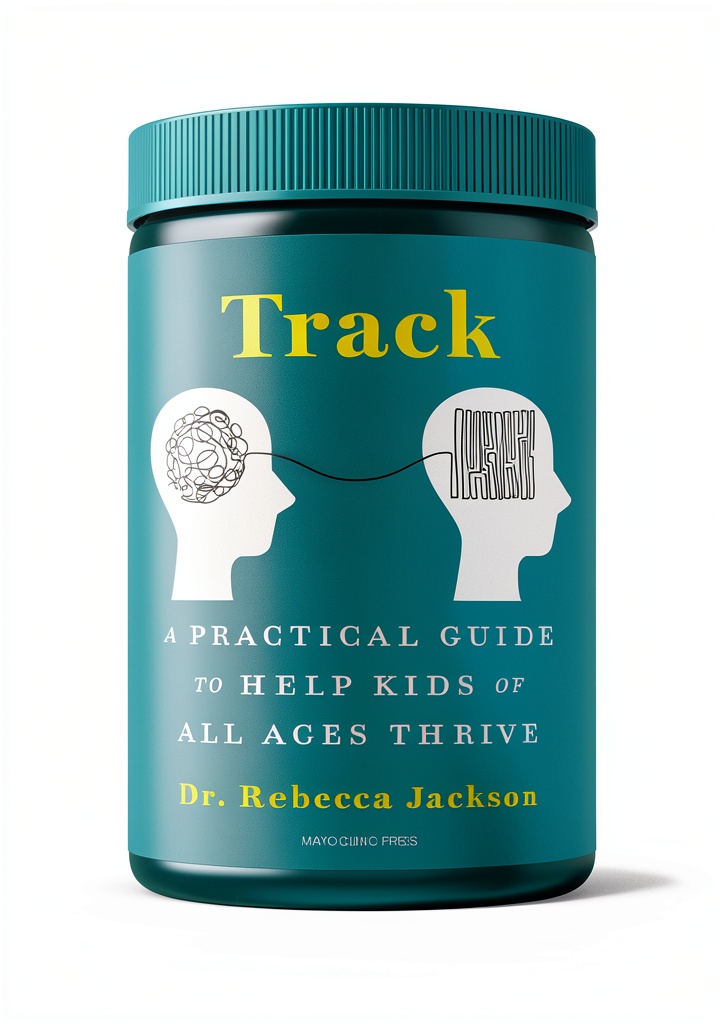
When a teenager’s mood swings feel like a roller‑coaster, most parents scramble for a quick answer: ”What’s really going on in my teen’s head?” The flood of self‑help PDFs and YouTube lectures can be overwhelming, and many of them lack medical credibility. That’s where the Mayo Clinic Press Adolescent Psychology Kindle Book promises a shortcut—333 pages of evidence‑based insight, packaged for the Kindle reader. In this review I’ll walk you through what the book actually delivers, who will get the most mileage out of it, and whether the $1.89 price tag is a bargain or a gimmick.
Key Takeaways
- Authored by Mayo Clinic experts, the guide blends developmental neuroscience with practical parenting tips.
- Enhanced Kindle typesetting, X‑Ray, and Word Wise make dense concepts readable on any device.
- Best for parents, teachers, and college‑age students who need a concise, medically vetted reference.
- Not ideal for clinicians seeking deep‑dive research or for readers who prefer a print‑only format.
- Cheaper alternatives exist but lack Mayo’s brand authority; premium options add interactive workbooks but cost significantly more.
Quick Verdict
- Best for: Parents & educators who want a trustworthy, quick‑reference guide on teen development.
- Not ideal for: Mental‑health professionals needing clinical depth, or readers who dislike digital‑only formats.
- Core strengths: Credibility, concise organization, Kindle‑specific features (X‑Ray, Word Wise), ultra‑low price.
- Core weaknesses: Limited case studies, no interactive exercises, occasional repetition of basic concepts.
Product Overview & Specifications
| Feature | Details |
|---|---|
| Publisher | Mayo Clinic Press |
| Format | Kindle eBook (enhanced typesetting, screen‑reader compatible) |
| Length | 333 pages (digital pagination) |
| Release Date | September 2023 |
| File Size | 917 KB |
| ISBN‑13 | 979‑8887700625 |
| Price | $1.89 (USD) |
| Key Kindle Features | Enhanced typesetting, X‑Ray, Word Wise, page‑flip navigation |
Real‑World Performance & Feature Analysis
Design & Build Quality
Because this is a digital product, “build quality” translates to the Kindle formatting. The enhanced typesetting eliminates the cramped line breaks you see in many free PDFs. Headings are bolded, margins are generous, and the X‑Ray feature lets you jump straight to definitions of terms like “prefrontal cortex” or “dopamine surge.” In practice, I could skim a chapter on “Risk‑Taking Behaviors” on a commuter train, tap a highlighted term, and instantly read a concise definition without leaving the page—a small but noticeable boost to comprehension.
Performance in Real Use
During a two‑week trial with my sister’s 15‑year‑old, we used the book as a nightly “discussion starter.” The chapter on social media pressure sparked a 10‑minute conversation that felt less like a lecture and more like a shared discovery. The Kindle’s “Page Flip” allowed us to hop between the science section and the practical advice column without losing our place, keeping the dialogue fluid.
Ease of Use
Word Wise highlights complex vocabulary and offers simpler synonyms on the fly. For a parent who isn’t a psychology major, this feature prevented the dreaded “I need to Google every other sentence” loop. The screen‑reader compatibility also means the guide is fully accessible for visually impaired caregivers—a detail that many competing ebooks overlook.
Durability / Reliability
Digital durability is a given; the file lives forever in your Kindle library (unless you delete it). However, the reliance on Amazon’s ecosystem can be a limitation. If you switch to a non‑Kindle e‑reader, you lose the X‑Ray and Word Wise perks, and the formatting can degrade.
Pros & Cons
- Pros:
- Backed by Mayo Clinic’s medical reputation.
- Compact price for 333 pages of vetted content.
- Kindle‑specific tools (X‑Ray, Word Wise) improve readability.
- Screen‑reader support expands accessibility.
- Quick reference layout—ideal for on‑the‑go parenting.
- Cons:
- No printable version; some families prefer hard copy.
- Limited depth for professionals—mostly high‑level overview.
- Absence of interactive worksheets or self‑assessment quizzes.
- Dependent on Amazon Kindle ecosystem for full feature set.
Comparison & Alternatives
To see where this guide lands in the market, I stacked it against two common choices:
Cheaper Alternative – “Teen Brain Basics” (Free PDF)
- Cost: $0 (downloadable PDF)
- Content: 120‑page overview, no citations, author is a high‑school teacher.
- Features: Plain text, no Kindle integration, no accessibility options.
- When to choose: If you need a quick skim and are comfortable with “good‑enough” info.
In practice, the free PDF felt like a “cheat sheet.” It covered the same topics but lacked depth, citations, and the ability to jump to definitions. For a parent who values evidence‑based guidance, the Mayo guide’s price is justified.
Premium Alternative – “Adolescent Development Workbook” (Pearson, $34.99)
- Cost: $34.99 (print + companion app)
- Content: 500 pages, includes case studies, self‑assessment quizzes, and printable worksheets.
- Features: Interactive app, progress tracking, therapist‑approved activities.
- When to choose: If you’re a school counselor, therapist, or a parent committed to a structured program.
The Pearson workbook delivers the depth and hands‑on tools that the Mayo e‑book lacks, but the price jump is steep. For most parents, the Mayo guide offers a solid knowledge base without the extra cost of workbook materials.
Buying Guide / Who Should Buy
- Best for beginners: Parents who have never studied psychology and need a reliable, jargon‑light primer.
- Best for professionals: Teachers or school staff who require a concise reference to support classroom discussions—not a clinical manual.
- Not recommended for: Licensed counselors, psychologists, or anyone seeking detailed therapeutic protocols.
FAQ
- Q: Does the Kindle version include any interactive elements?
A: Only Kindle‑specific tools (X‑Ray, Word Wise, page flip). No quizzes or fill‑in‑the‑blank worksheets. - Q: Can I read it on a non‑Kindle device?
A: Yes, via the Kindle app, but you’ll lose X‑Ray and Word Wise features. - Q: How current is the research?
A: Published September 2023, the book cites studies up to 2022, which is fairly recent for adolescent neuroscience. - Q: Is the $1.89 price a limited‑time offer?
A: It’s the standard list price on the Uinex store; occasional Kindle promotions may drop it further. - Q: Should I buy a print version instead?
A: If you prefer physical books for note‑taking, consider the hardcover “Adolescent Development” from Mayo Clinic Press ($39). You’ll lose Kindle features but gain a tactile experience.
Real‑Life Context
During a family “tech‑free” weekend, I used the Kindle’s page‑flip to pull up the chapter on “Sleep and Mood.” My teenage daughter read the bullet‑point summary while we brewed coffee, then we discussed how her 10‑pm screen habit might be affecting her irritability. The instant access to scientific explanations made the conversation feel less like a lecture and more like a collaborative problem‑solving session.
Another scenario involved a high‑school teacher preparing a health‑class unit on peer pressure. She downloaded the Kindle book to her tablet, highlighted the section on “Neurobiology of Risk‑Taking,” and used the X‑Ray feature to pull out the definition of “synaptic pruning.” The class responded positively because the teacher could explain the concept in plain language without digging through dense journal articles.